Pay in installments of $7.34 with
 ,
,
 and
and

Shipping Estimate
USA
- USA
- CAN
- USA
- CAN
Ships within 48 hours · Estimated delivery Jul 1 - Jul 6
 Promo Codes Available:
For Your Every Summer RSVP, with Code: SUMMER15
Description
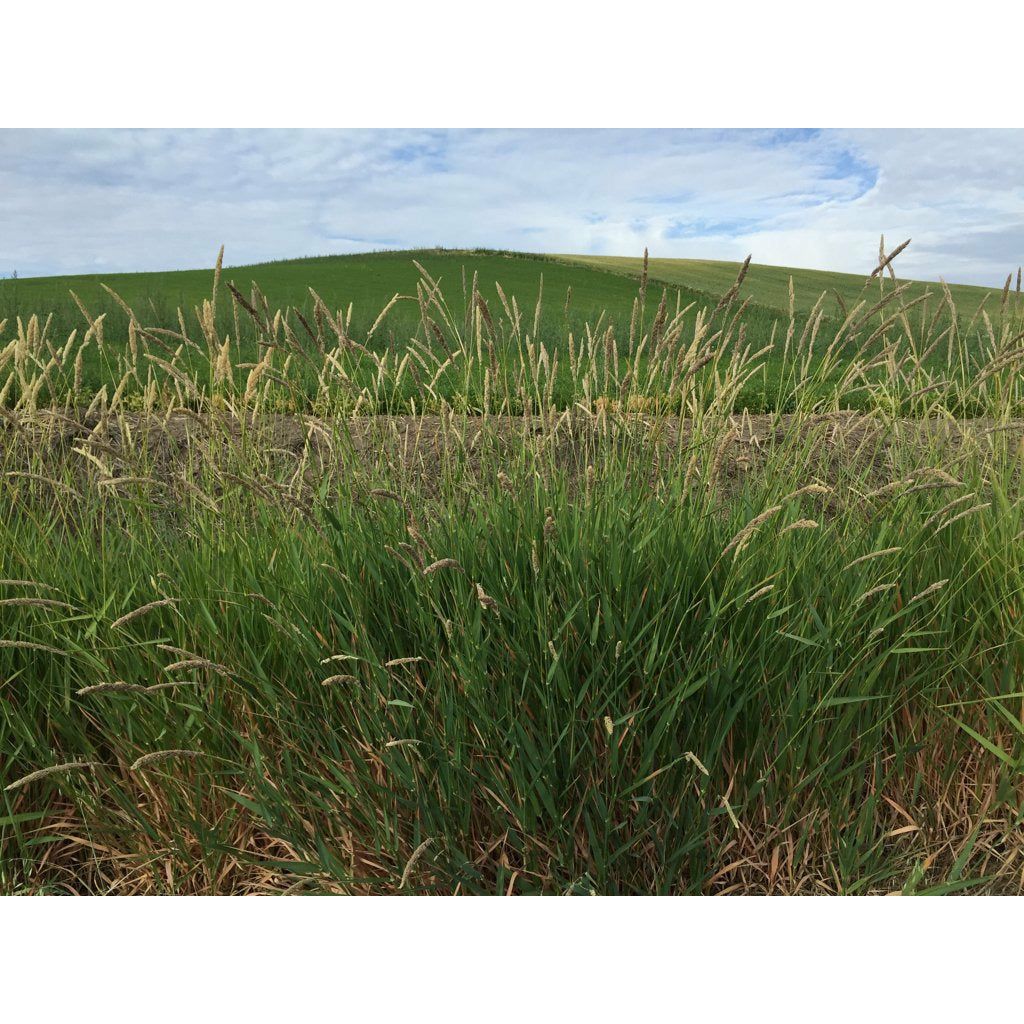
canary seed plant pictures Reed Canary Grass Seed (Raw)Reed Canarygrass Seed Master The Wetlands Scientific Name: Phalaris arundinacea Highly Invasive; check with your local extension before planting. Not for sale in Indiana, Massachusetts, Connecticut, and New Hampshire. High Producing Wetland Forage Grass for Flood Prone Pastures, Soil Stabilization & Water Management Reed Canarygrass is a vigorous cool season perennial grass widely used for forage production, erosion control, wetland stabilization, and
Reed Canarygrass Seed | Master The Wetlands
Scientific Name: Phalaris arundinacea
- Highly Invasive; check with your local extension before planting.
- Not for sale in Indiana, Massachusetts, Connecticut, and New Hampshire.
High-Producing Wetland Forage Grass for Flood-Prone Pastures, Soil Stabilization & Water Management
Reed Canarygrass is a vigorous cool-season perennial grass widely used for forage production, erosion control, wetland stabilization, and difficult lowland growing conditions. Scientifically known as Phalaris arundinacea, this tall-growing grass is recognized for its exceptional tolerance to saturated soils, seasonal flooding, and fluctuating moisture conditions where many traditional forage species fail to thrive.
Capable of reaching heights between 2 and 9 feet, Reed Canarygrass establishes aggressively through underground rhizomes and dense tillering, creating a durable, long-lasting stand with excellent soil-holding capabilities. Its ability to withstand extended inundation as well as periodic drought makes it an excellent option for drainage areas, canal banks, evaporative ponds, wet meadows, and seasonally flooded pastures.
This highly productive grass is commonly utilized for livestock forage in poorly drained environments and is frequently planted alongside creeping foxtail varieties for expanded seasonal grazing and hay production. Once established, Reed Canarygrass provides dependable biomass production, rapid recovery after grazing, and strong persistence under difficult environmental conditions.
Key Features & Benefits
| Feature | Benefit |
|---|---|
| Exceptional Wet Soil Tolerance | Performs well in marshy, flooded, or poorly drained areas |
| High Forage Production | Produces abundant seasonal biomass for grazing and hay |
| Rhizomatous Growth Habit | Helps stabilize soil and reduce erosion |
| Drought Resilience | Maintains persistence during seasonal dry periods |
| Easy Establishment | Adapts well to both broadcast and drill seeding methods |
| Long-Term Stand Persistence | Provides reliable perennial forage production |
| Soil Stabilization | Frequently used for canal banks, levees, and sewage lagoons |
| Aggressive Competition | Suppresses many competing weeds once established |
Ideal Uses for Reed Canarygrass
Reed Canarygrass is commonly planted in areas where excessive moisture limits the success of conventional pasture grasses.
Recommended Applications
-
Wet pasture and grazing systems
-
Seasonally flooded hay fields
-
Riparian buffer zones
-
Municipal sewage disposal areas
-
Canal and ditch banks
-
Evaporation ponds
-
Soil stabilization projects
-
Erosion control in low-lying areas
-
Wildlife habitat cover
-
Reclamation and conservation plantings
Plant Characteristics
| Characteristic | Details |
|---|---|
| Botanical Name | Phalaris arundinacea |
| Plant Type | Cool-season perennial grass |
| Growth Habit | Rhizomatous and spreading |
| Mature Height | 2–9 feet |
| Adaptation | Wet soils, flood-prone environments |
| Drought Tolerance | Moderate to high once established |
| Persistence | Excellent |
| Establishment Speed | Rapid under moist conditions |
| Forage Quality | Good seasonal forage production |
Seeding Information
| Seeding Method | Recommendation |
|---|---|
| Broadcast Seeding | Highly effective in wet soils |
| Drill Seeding | Suitable where equipment access is possible |
| Best Planting Time | Spring or fall |
| Soil Conditions | Moist to saturated soils preferred |
| Seed Incorporation | Light soil contact improves germination |
In difficult muddy environments where machinery access is limited, producers often broadcast seed directly over wet ground and allow livestock hoof action to naturally press the seed into the soil surface. This method frequently improves seed-to-soil contact and establishment success in marshy conditions.
Forage & Grazing Performance
Reed Canarygrass is valued for its ability to produce forage in areas unsuitable for most pasture species. It performs especially well in environments with recurring moisture fluctuations, including locations that experience both flooding and periodic dry conditions throughout the year.
The grass responds well to rotational grazing and can generate substantial forage tonnage during favorable growing periods. Its deep root system and aggressive regrowth capacity help maintain stand longevity even under challenging environmental stress.
Environmental & Management Considerations
Because Reed Canarygrass spreads aggressively through rhizomes and seed production, careful management is recommended in sensitive ecological areas. In some regions, particularly portions of the Midwest and Pacific Northwest, this species has demonstrated invasive tendencies in wetlands, streambanks, and natural habitats.
Important Management Notes
| Consideration | Recommendation |
|---|---|
| Aggressive Spread | Monitor stand boundaries regularly |
| Wetland Use | Avoid planting near sensitive native habitats |
| Regional Restrictions | Check local regulations before planting |
| Competition | May suppress desirable native vegetation |
| Long-Term Persistence | Best suited for managed agricultural settings |
This plant may become invasive or weedy in certain regions if not properly controlled. Always follow local agricultural and environmental guidelines before establishing large plantings.
Why Choose Reed Canarygrass Seed?
Reed Canarygrass remains one of the most dependable perennial grasses for wet and difficult growing conditions. Its combination of flood tolerance, forage productivity, soil stabilization, and long-term persistence makes it a valuable solution for producers managing lowland pastures, drainage areas, and moisture-challenged agricultural sites.
Whether used for livestock forage, erosion control, reclamation projects, or water management applications, Reed Canarygrass provides reliable establishment and durable seasonal performance in environments where many other grasses struggle.
Shipping Notes
- Free Standard Shipping on $100+ Orders to the USA.
- Except Preorder products are shipped in 48 hours.
- Delivery to the USA:
- Standard Shipping : 3-10 business days
- If time is of the essence, please consider selecting expedited delivery for faster service.
Exchange/Return Notes
- We offer a 30-day return/exchange service after receiving.
- Final sale items are not eligible for returns or exchanges.
- To process your return/exchange, please contact us at [email protected]
- Please click here for more details>>> Return & Exchange Policy